Category: Fabrication | Date : 31-03-2026
In large-scale industrial and infrastructure projects, selecting the right heavy fabrication partner is a strategic decision. A weak fabrication vendor can cause structural failures, project delays, cost overruns, and compliance risks.
For EPC contractors, procurement heads, and project managers, here are 7 critical evaluation factors before awarding a fabrication contract
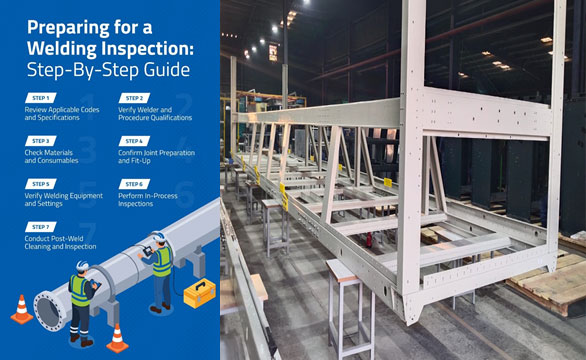
In B2B projects, scale matters.
Evaluate:
A well-equipped facility reduces dependency on subcontractors — minimizing risk.
B2B Insight:
Higher in-house capability = better quality control + predictable timelines.
Heavy fabrication requirements vary across:
Industry exposure reduces engineering errors and improves coordination with EPC drawings.
Ask for:
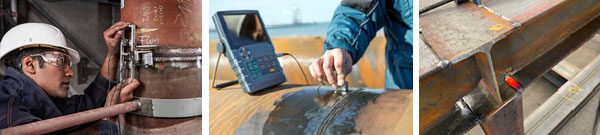
In B2B heavy projects, documentation is as important as production.
Check whether the company has:
Red Flag: No documented QC process.
Industrial clients and consultants demand structured inspection compliance.
Welding is the backbone of structural integrity.
Evaluate:
B2B Risk Factor: Poor welding quality leads to rework, rejection, and site failure.
Fabrication delays can stop:
Assess:
A fabrication company must operate like a project partner — not just a vendor.
Large industrial projects require:
Strong documentation culture reflects process maturity.
For heavy structures:
Companies offering post-dispatch technical support reduce site-level risks.
In heavy fabrication manufacturing, the lowest quote is rarely the lowest cost in the long run.
A structured vendor evaluation should prioritize:
For EPC and industrial buyers, the right fabrication partner becomes a competitive advantage in winning and executing large projects.
 Download Brochure